
EPA 608 Type II vs Universal: which type do you need?
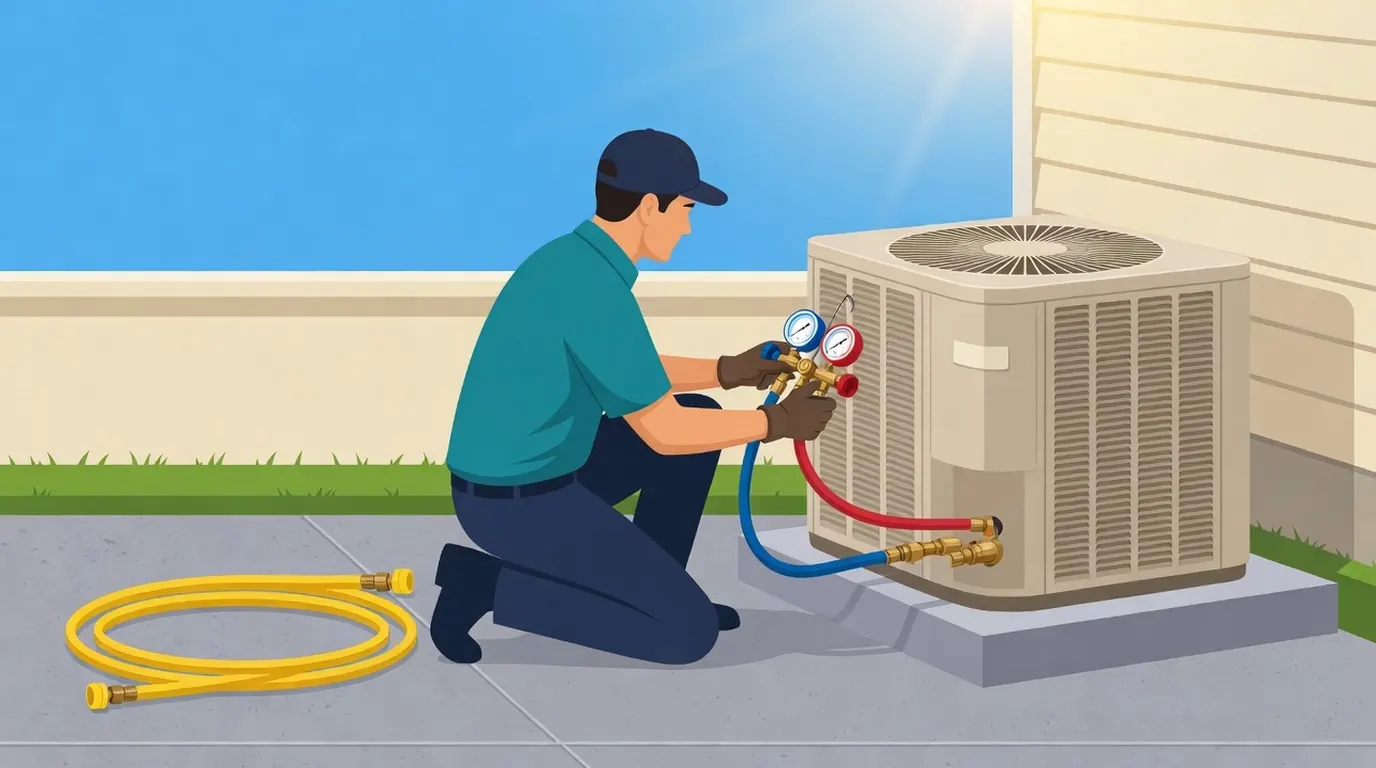
A common question on HVAC forums is whether Type II is “enough” or whether everyone should take Universal immediately. There is no useful answer without the equipment list. A credential can be appropriate for one assignment and insufficient for another even when both jobs happen in the same building.
Start with equipment, not a job title
“Maintenance technician” could describe someone servicing split systems, small refrigerators, low-pressure chillers, or a mixture. “Residential” is not an EPA certification type. Neither the building's size nor the technician's title tells you which refrigerant-containing appliances will be opened or serviced.
Make a list of actual equipment from the role or training program. Ask what refrigerants and appliance categories are involved, and which tasks you will perform. Then compare that list with 40 CFR 82.161. This is more reliable than choosing the card that appears most often in an online discussion.
Our exam overview provides the basic structure. Use it to translate the names on an exam registration page before choosing a test. If a job advertisement requires Universal, that is also useful information for your decision, even when an individual assignment would fall within a narrower category.
What Type II covers
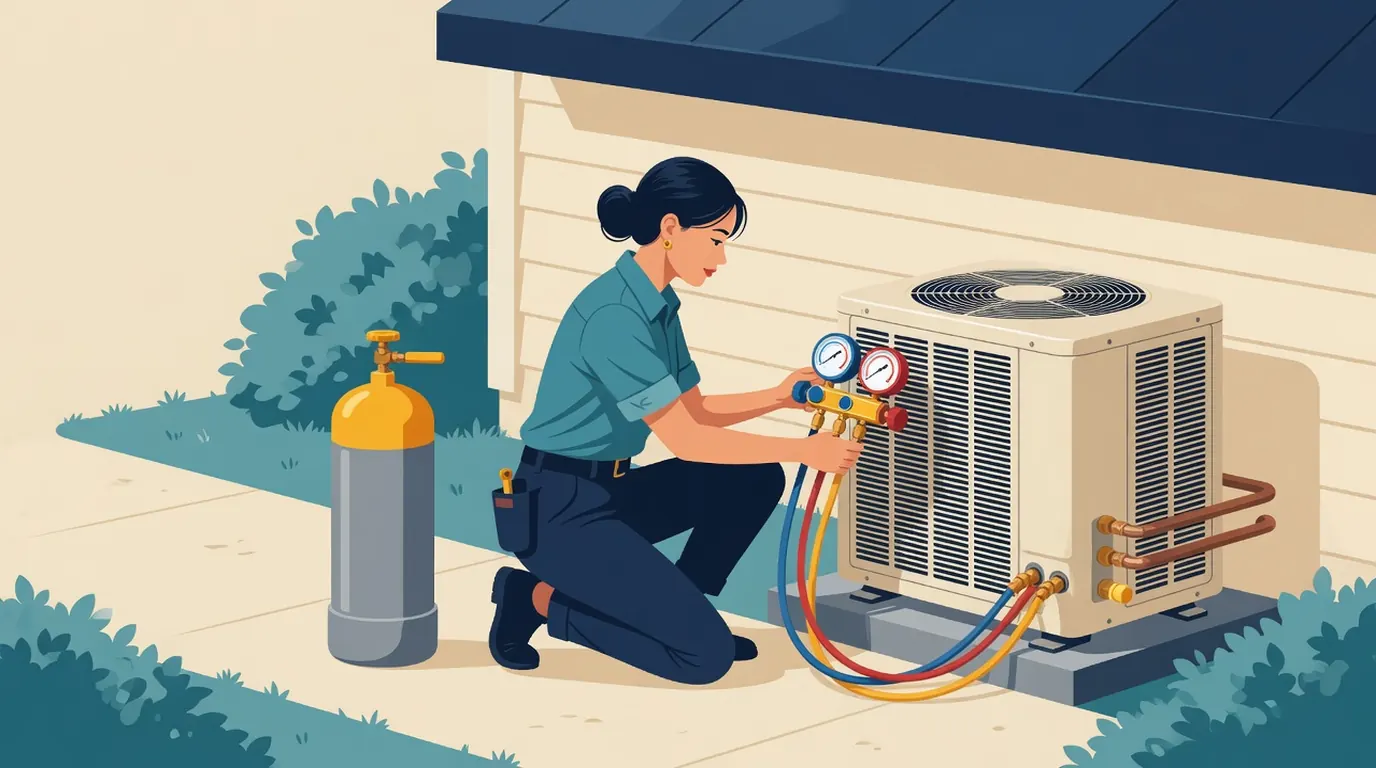
The regulation places medium-, high-, and very-high-pressure appliances within Type II, except for its separately addressed categories. For the familiar R-410A split-system installation question, EPA confirms that refrigerant-circuit work requires 608 certification. Type II is the category to consider for that high-pressure appliance; Universal includes it.
That means Type II has a defined, useful scope. It is not merely an unfinished Universal credential. Someone whose work stays within the Type II category does not need Type III just because a different technician services low-pressure equipment elsewhere at the facility.
Study the Type II material with that scope in mind. When a practice question describes an appliance, pause to classify it before recalling a recovery value or service rule. This turns the equipment description into part of the solution rather than background text you skip.
What Type I and Type III add
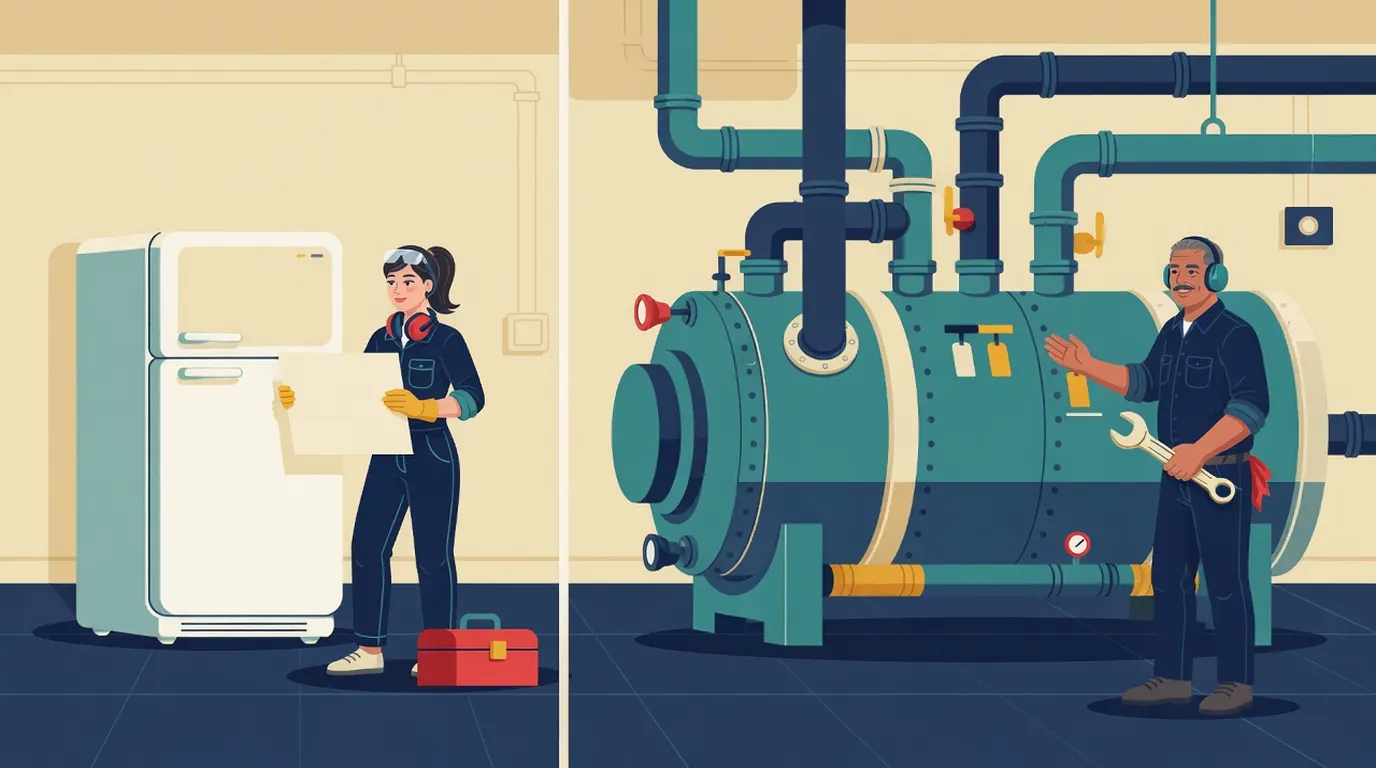
Type I is for servicing small appliances. The regulatory definition is specific: the appliance is fully manufactured, charged, and hermetically sealed in a factory with five pounds or less of refrigerant. Small physical size alone does not satisfy that definition, and a low refrigerant charge does not erase the factory-assembly conditions.
For example, do not choose Type I for a split system simply because someone calls it a “small mini-split.” The word “small” in ordinary conversation and the defined term “small appliance” have different jobs. Check the construction and category of the appliance before matching the certification.
Type III covers low-pressure appliances. If the role includes a low-pressure chiller, that category becomes part of the decision. Avoid treating every piece of equipment called a chiller as automatically Type III; the pressure classification matters. The Type III study guide explains the section's study focus.
Universal combines the three categories. It gives flexibility when an equipment list spans them, but it does not replace automotive Section 609 certification. The 608 versus 609 comparison explains that separate boundary.
Translate the choice into an exam plan
Appendix D describes a Core group and the relevant technical groups, with 25 questions in each. A Universal exam has 100 questions across Core and Types I, II, and III. Universal is the resulting certification across the levels, not an additional technical subject after you finish those sections.
Core belongs in your preparation whichever technical type you seek. It supplies the environmental and regulatory foundation that connects the equipment-specific questions. Use the Core guide alongside your chosen type instead of postponing Core until the end.
If you intend to combine earlier results with new testing, tell the provider what you passed and how the test was administered. Appendix D permits combining passing type-test results for Universal, but mail-in Type I does not qualify, and EPA says open-book Core cannot be used for Universal. Confirm the paperwork and retake arrangements with the program.
Choose an immediate goal and a next goal
For an immediate Type II role, you might focus preparation on Core and Type II, then revisit broader coverage when the equipment list changes. For a role already spanning all categories, prepare for Universal from the start. These are planning choices, not predictions about which credential guarantees a job.
Before deciding, ask the employer or instructor which equipment you will actually service, what credential they expect before assigning independent work, and whether upcoming assignments include small appliances or low-pressure systems. Specific answers are more useful than “Universal looks better.”
Also distinguish certification from practical readiness. Passing the relevant exam establishes the certification result; it does not answer every question about a particular manufacturer's equipment or the supervision you need while learning. Use the credential decision to organize training, not to declare every unfamiliar task mastered.
What about working as a helper?
EPA's apprentice exception requires close and continual supervision by a properly certified technician. The technician Q&A also explains the apprenticeship-registration requirement and the two-year limit from initial registration. Simply being called a helper or having a certified coworker elsewhere on the job is not the same thing.
If you are entering through an apprenticeship, ask the program to explain your registration and supervision arrangements. Then plan certification around the work you are learning. Do not build your exam schedule on an assumed exemption that no one has checked.
Common myths
Myth “Type II is useless without Universal.”
Fact It covers a defined equipment category.
Myth “Anything small is Type I.”
Fact The factory-sealed definition and charge limit both matter.
Myth “Universal adds a fifth exam section.”
Fact The structure is Core plus Types I, II, and III.
Myth “Any helper is automatically exempt.”
Fact EPA's apprentice conditions must actually be met.
Study disclaimer: This is exam-study material, not legal advice or field-service instructions. Consult the linked EPA and eCFR sources for current requirements.
Sources
- 40 CFR 82.161: technician certification by appliance category
- 40 CFR 82.152: small-appliance and apprentice definitions
- EPA: certification requirements and types
- EPA: mini-split work, apprentices, and Universal certification
- EPA: test topics by certification type
- 40 CFR Part 82, Subpart F, Appendix D: exam structure
Check yourself
Type II classification, as identified by EPA, applies to what equipment?
Show answer
Answer: D. High- and very-high-pressure appliances, except small appliances and MVACs.
Type II covers this equipment category; Universal also covers it. The small-appliance exception depends on factory construction and charge, not simply a rule that every appliance at five pounds or less is Type I. Source: 40 CFR 82.161.
Type I Certification is required for
Show answer
Answer: A. Persons handling refrigerant during service or repair of small appliances.
Type I or Universal certification covers refrigerant service and repair on small appliances containing regulated refrigerants. People who only recover refrigerant from small appliances for disposal are exempt from technician certification, but still must follow applicable recovery rules. Source: 40 CFR 82.161.
A small appliance is defined by EPA as;
Show answer
Answer: D. Factory-charged, hermetically sealed appliances with 5 lbs or less of refrigerant.
EPA defines a small appliance as factory-made, factory-charged, hermetically sealed, and containing 5 pounds or less of refrigerant.
Practice this
If your immediate goal is high-pressure equipment, try the free Type II practice test. If your work spans categories, use the free Universal practice test to identify the additional sections to study.
Take the Type II practice testRead next
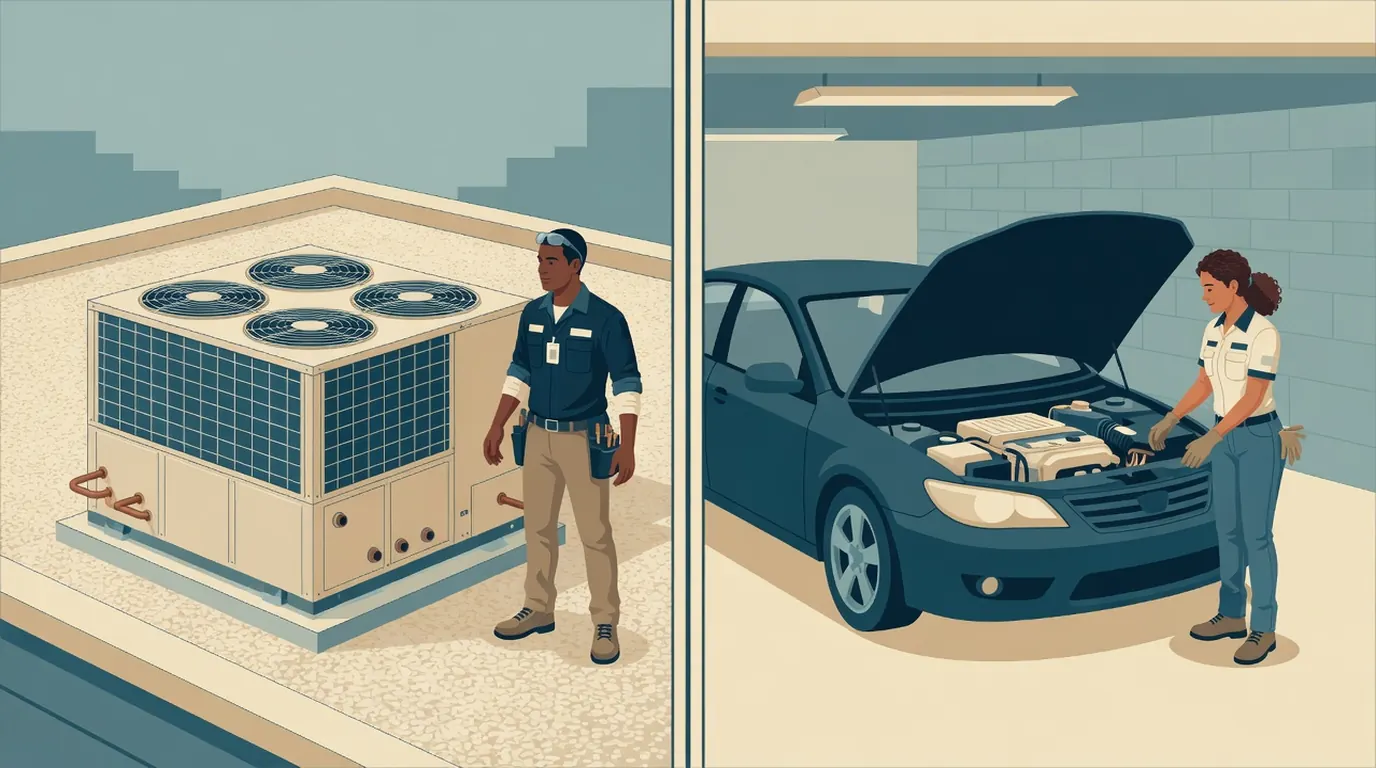
EPA 608 vs 609: which certification do you need?
Compare EPA 608 and 609 for stationary equipment, vehicle air conditioning, MVAC-like appliances, and refrigerant purchases.
Does EPA 608 certification expire? How to replace a lost card
EPA 608 credentials do not expire. Follow the official lost-card process, identify your testing organization, and keep useful proof of certification.